
IoT Features Businesses Should Understand Before Connecting Devices
Internet of Things programs fail when companies buy sensors first and define features later. IoT is useful when a device can report a real condition, a team can act on that signal, and the system stays secure as more endpoints are added. This article explains the features that actually matter in business deployments—not a catalogue of protocols.

What an IoT system is doing in practice
An IoT setup usually has a device or sensor at the edge, a connectivity path, a software layer that stores and displays data, and a set of rules for alerts or control. The device might be an environmental sensor, a machine controller, a kiosk, a camera-linked unit or an Android endpoint already used for signage or MDM. The software might be a cloud dashboard, an on-premise collector or a hybrid of both.
Start with the decision you want to improve: fewer site visits, faster fault detection, energy visibility, occupancy insight, inventory signals or remote configuration. Features should serve that decision.
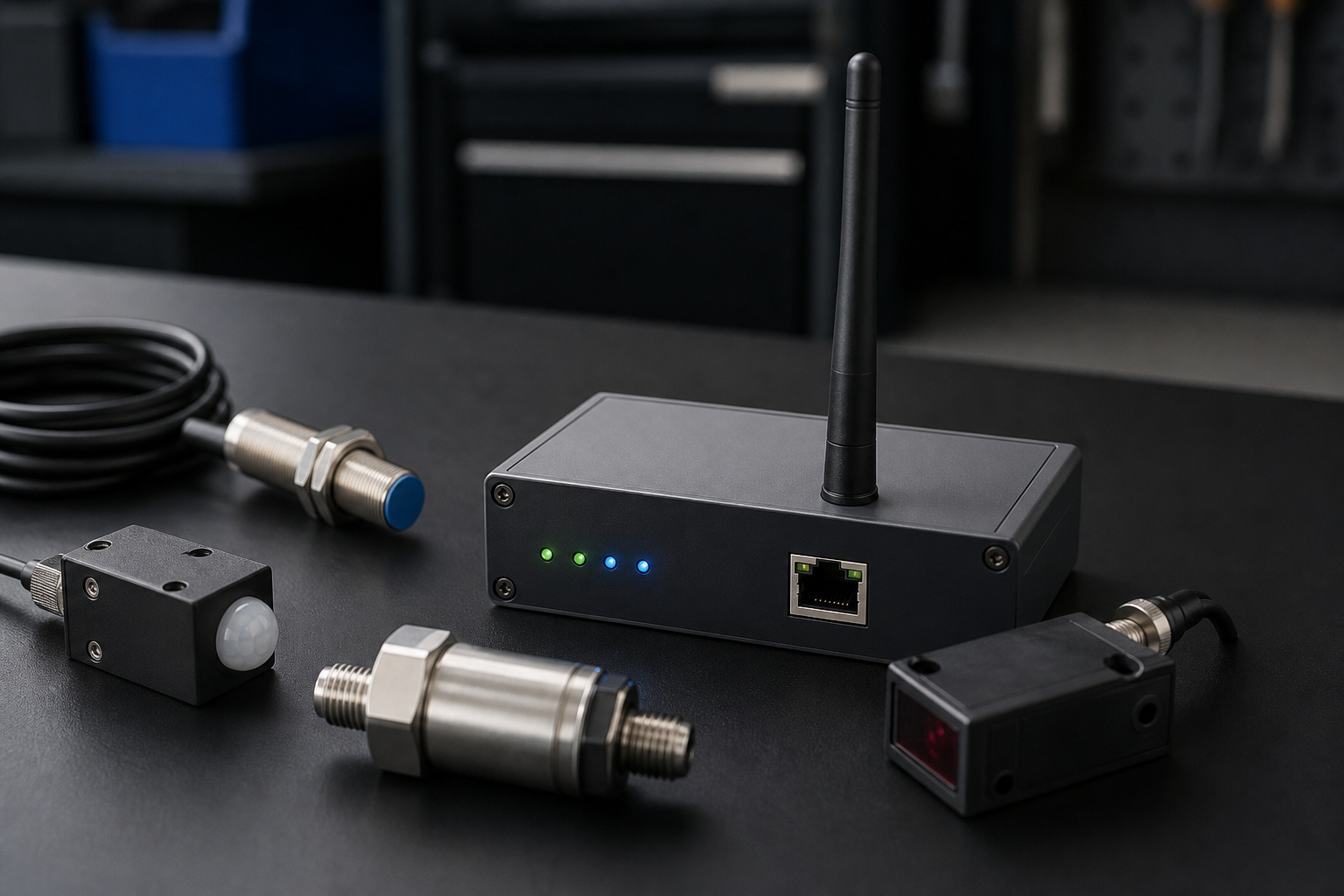
Core IoT features that create operational value
- Device identity and enrollment: Every endpoint needs a unique identity, a registration method and a clear owner. Unnamed devices cannot be supported.
- Sensing and telemetry: The device should capture only the measurements you will use—temperature, status, usage, location, open/close, power or custom industrial signals.
- Connectivity with fallback: Wi-Fi, Ethernet, cellular or local gateways must match the site. Offline buffering matters when the network drops.
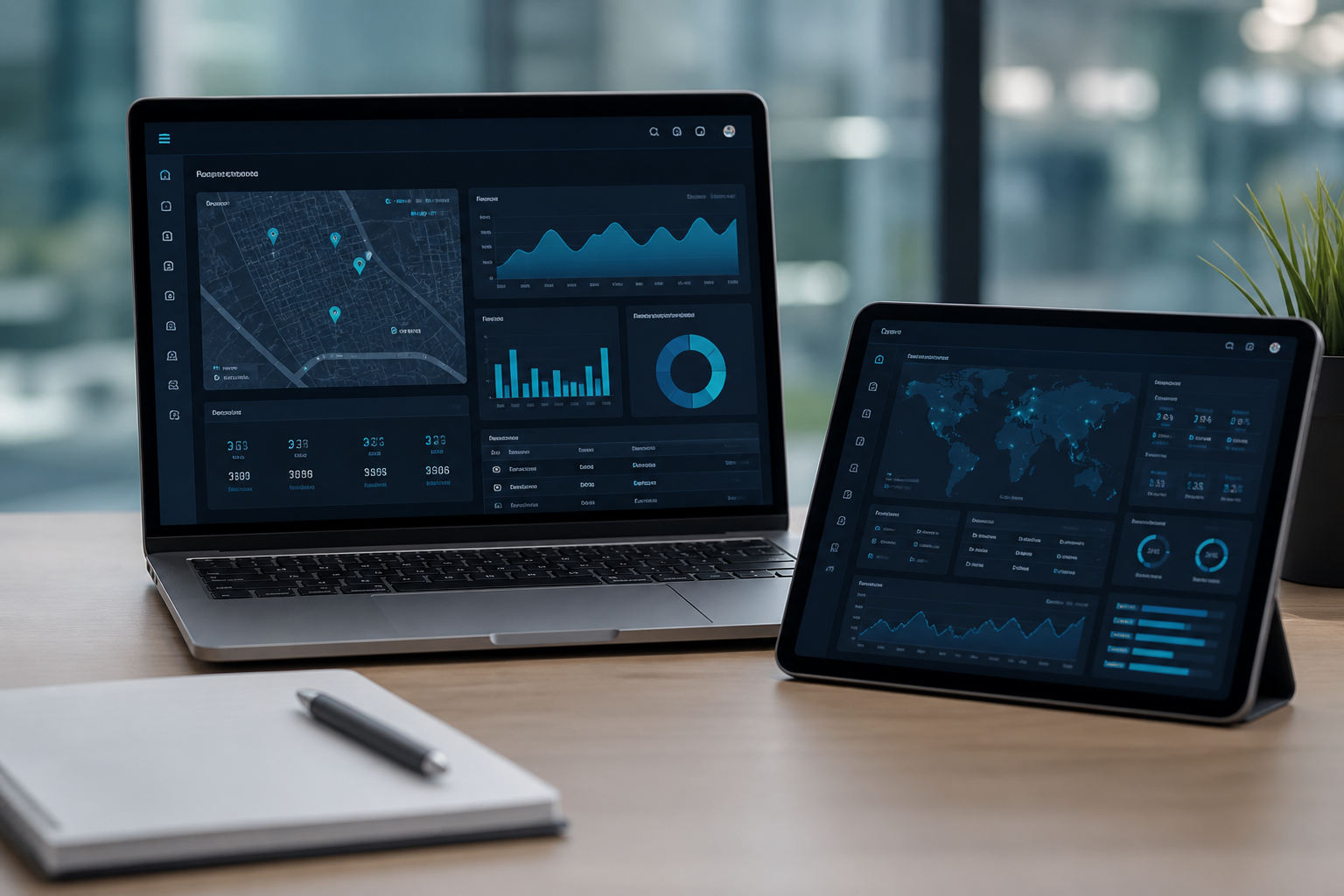
- Dashboards and history: Teams need current status plus enough history to spot patterns, not a live number with no context.
- Alerts and thresholds: Notifications should fire on exceptions people can act on. Constant noise trains staff to ignore the system.
- Remote commands: Restart, update, change configuration or lock a device from a console reduces field travel.
- Role-based access: Operators, technicians and administrators should see different controls. Public kiosks should never expose admin APIs.
- Security and update control: Firmware signing, credential handling, network assumptions and a planned update window are features, not later add-ons.
- Integration APIs: IoT value grows when data can enter ERP, ticketing, signage, school systems or analytics without manual export.
- Data ownership and retention: Decide who owns logs, how long they are kept and what is stored at the edge versus in the cloud.
Features that look impressive but often wait
Predictive AI, digital twins and fully autonomous control are useful after the basics work. If devices cannot stay online, if clocks are wrong, if alerts have no owner, or if firmware cannot be updated, advanced analytics will amplify noise. A first IoT phase should prove reliable telemetry, a support routine and a dashboard people actually open.
The same rule applies to mixing too many device types. One well-supported sensor family plus a gateway is easier to operate than five brands with five apps.
How IoT overlaps with signage, MDM and embedded hardware
Many Maram programs already sit next to IoT even when the project name is “signage” or “device management.” A screen network reports health, sync status and proof-of-play. An MDM fleet reports policy, app version and last seen time. Embedded hardware may expose sensors or GPIO that need the same identity, alerting and firmware discipline.
Treat those as one connected-operations problem. Shared features—enrollment, monitoring, roles, APIs and support playbooks—keep the estate understandable as it grows.
A practical way to choose IoT features
List the event that should happen when a threshold is crossed: who is notified, what they do, and how they close the loop. Then choose sensing, connectivity and dashboard fields that support that loop. Add remote commands only for actions you are willing to automate safely. Add integrations only where another system is the system of record.
Run a limited pilot on real sites. Measure false alerts, time to enroll a device, time to recover an offline unit and whether operators trust the dashboard. Scale the feature set that survived that test.
Related reading and solutions
Planning an IoT or connected-device program?
Maram Technologies can help you define the features, devices, dashboards and support model before you connect endpoints at scale.
Talk to Maram